A Tale of two yogurts: part 2

Soy Milk and Soy Yogurt
I recently found that I could do exactly the same thing with soy milk. I don’t like soy yogurt as well as I like cow or goat yogurt but I’m choosing at this time to stay away from dairy products so here is how I make soy milk.
Ingredients needed:
4 ounces (around a half cup) of raw soy beans.
Look for them at an health food store, co-op or ask a local feed store if they can provide them.
Blender
Sauce pan
Nylon stocking, knee length
You can get them at your grocer’s in boxes of five pairs or something and they’re useful for lots of things. You can even wear them if you want!
Place a half cup of beans into a large bowl or pan and fill with cold tap water. Let stand for at least 8 hours. After this time, drain water off of beans and let that go down the drain or into the flower bed. I use a colander.
Place soaked, drained beans into your blender, fill to near the lip with cold water, put on the lid and process until you have something smooth and relatively thick. Sometimes it takes a while and you may want to use a spatula from time to time (with blender turned off) to move unprocessed chunks toward the bottom of the blender jar.
When you judge it’s done, move your bean slurry off the blender stand, take your magic knee sock and stretch it over the open mouth of the jar. Holding with one hand, tip the jar over your sauce pan. With the other, shake the jar a bit, try to coax all of the slurry down into the stocking.

Remove the sock from the jar and hold the stocking shut, twisting it is good. From here on it’s a process of kneading, gently squeezing the mash within the stocking to get the bean juice out of the pulp. This takes a little while but is sort of transcendental and even a little bit sexy so it can stand in for yoga or meditation or something.
When you have the pulp inside the stocking at a consistency about like homemade salt clay, put the sauce pan on about medium heat and cover. Turn the stocking inside out and dump the bean leavings into a bowl. Now run, go feed that to your chickens. (I did tell you to buy chickens did I not?)
Bring the virgin soy milk to a gentle boil and continue cooking for ten minutes. This will kill off some unwanted organisms and lessen the amount of gas you might experience on drinking the stuff. When done you can pour the now “experienced” soy milk into a jar or pitcher and refrigerate. It’s funny how foamy it is at first.

Should you want to make soy yogurt, cool it to body temperature and follow the yogurt recipe above including the starter. Soy yogurt is good in veggie stroganoff, or mixed with dry onion soup mix as a dip for baked corn chips.
A caveat:

Soy is controversial. It does contain phyto or plant estrogens, chemicals which mimmic the female hormone that some of us manufacture independently. Like regular estrogen, the plant type has been accused of causing certain kinds of cancer and it may contribute to infertility in males. I tell women to use soy or flax seed meal in their bread because it will cause their husbands to talk with them more freely but I’m joking—-mostly. As with everything else, it’s probably best to use soy in moderation. A serving or two per day perhaps.

A Tale of Two Yogurts: Part 1

Making your own soy milk, and both standard and soy yogurts

I want to talk about three things in this little article. These are all things that have been known about by lots of people, but not by most people, and generally not all found in the same place. I’ll start by telling you how milk yogurt is made by me at least; and I’m lazy and like to do as little work as possible. In part 2 I’ll tell you how to make soy yogurt, and the milk it’s made from.

Moo Yogurt (Or Baa)

Ingredients needed
Thermos bottle
(vacuum flask) as wide a mouth as you can find

Milk, cow or goat, preferably not that low-fat stuff.

Powdered milk if you wish a thicker yogurt.

A yogurt starter
(just plain unflavored, not vanilla yogurt from the store. I usually use Greek culture because I admire Socrates.)

Procedure:

pour a pint or more of milk into a sauce pan, place over low heat. Stirr frequently till it heats to about body temperature. If you have a thermometer, 95 F or 35 C is good, but you can use your sense of touch to test that it’s not really not nor cold. Think tepid bathtub, or baby bottle.

When desired temperature has been achieved, fill your thermos with hot water from the tap to preheat.

Stir a couple of table spoons of your starter yogurt into your warm milk. This is harder to do than one expects. A bit of spoon work is wanted.

Now pour the water out of the thermos and the milk and yogurt mixture in. Screw the lid on tightly. I like to wrap the thermos in a bath towel for further insulation. Put it on a counter or in some other warm place and leave it alone! Overnight or even 24 hours if you wish. If you live in a cold climate, you can set it on top of the water heater or on top of your fridge. Let it sit overnight.

(Note If you want thicker yogurt, a few tablespoons of powdered milk can be stirred into the whole milk prior to heating.)

That should be all. By morning, the yogurt should be a smooth, fairly solid mass.
You need no special thermostatic yogurt maker or mail order starters. Slice in a peach or throw in some raspberries and you’ll have something just as good and a lot cheaper than those syrupy 5-ounce tubs they sell in the store.

___

This was a guest post by Glynda Shaw. over at Creative Fancy.  She’s an author and alternative energy expert who also does a lot of homebrewing, creative cooking, building, and homesteading related projects.

Same foods – different food values

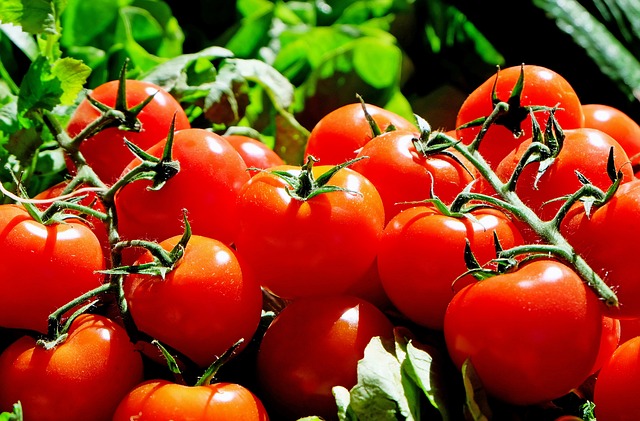
How you prepare a food can have a huge effect on how nutritious it is. Did you know, for example, that the lycopene in a tomato is more easily available to your body if the tomato is cooked?

Not only are there some foods that need to be cooked to be safe, there are others that need to be cooked to be nutritious! There are others that should not be cooked or they will lose

their food value. Some foods lose all nutrients in processing, and some keep most of them.

Frozen vegetables, for example, are generally nutritious because they are frozen fresh from the field and haven’t had a chance for vitamins to degrade. The same is true for meat and fish. If they sit out a long time, nutrients can degrade. A mealy apple has less vitamin C than a fresh one.

Here are more examples. Tomatoes are quite nutritious from the can for example. Also, garbanzo beans! They retain almost all of their vitamins. Many fruits and vegetables aren’t so lucky, and a Google search is more than worthwhile.

Let’s return to our mealy apple. Brown spots on any fruit or a vegetable is a sign of vitamin C loss. With some foods, such as garlic, long boiling just makes nutrients disappear. That’s why it’s a good idea to add those items to stews last.

Steaming is a great way to prepare food. Quick but intense heat is good, too, and proper stir frying helps food keep both the nutrients and the flavor. Fresh food combined with steaming and grilling is usually a great way to go. Also, with vegetables and fruits, the fresher the better. That brings us back to freezing. Frozen vegetables may have added salt, so reading labels is important, but they are usually a good buy.

How I fell in love with onions

This dish is so simple, yet so tasty, that I thought I’d share it. I first had it when I started really studying Russian culture and cuisine. My partner has been there and she let me know how to make it. You might really like this, so try it just once.

You will need:

A loaf of black rye bread. A skinny cocktail loaf is fine. Bonus if it’s home made.

An onion.bread-1480741_640

Can use a white, yellow or red,

or a Walla Walla Sweet

if you don’t like heat.

Butter or equivalent.

Dill weed,  salt.


First, peel and chop your onion. About half inch cubes is best but this doesn’t have to be exact.

Take the chopped onion and put it in a bowl with a little salt and dill weed. Shake it around and let it meld in the fridge a bit. Kosher salt is good for this.

Then, slice the black bread – about normal thickness – and butter it.

Heap on your onion.

Eat! This little appetizer can make a substantial part of a meal and it’s not bad for you. The flavors meld nicely and the onion isn’t as hot as it would be otherwise.  The butter adds richness to the bread and the dill adds complexity and tempering to the onion.

3 root causes behind food cravings and how to beat them

Is it possible to walk past a bakery without a craving? Even as a confirmed  doughnut addict, I’ve done it. You can too.

We’ve all had food cravings. They can really be murder when you’re on a diet. Dieting would be so much easier if the cravings were gone, wouldn’t it? Luckily, if we understand the causes of those cravings, we can do a lot to tame them.

I’ve found that cravings have three main causes.


Physical cravings – nutrient lack and blood sugar cycles

When the body doesn’t get what it needs, it triggers cravings. If a person continues to eat empty calories, the cravings will increase because it’s still not getting what it needs. This can develop into a vicious cycle and is really no fun to go through.

Also, if you eat a lot starches with no protein, your blood sugar will spike – then it will fall off rapidly, triggering more hunger.

Some foods also cause cravings by being too processed or having things in them that cause hunger signals in the body. Some people feel this effect from sugar free sweeteners, for instance.
Mental Cravings – Psychological addiction

A person can get used to eating certain things and really miss them when they are gone. That’s normal enough, but sometimes we can feel like our day isn’t complete without a certain food or drink. This can become a real problem if the food or drink is high calorie or bad for us. Think of the daily soda, the daily coffee with extra cream and sugar, the daily doughnut.
Emotional Cravings – self sabotage and emotional pitfalls

Sometimes we overeat because we are stressed. When we are depressed, we crave carbohydrates because they can affect our neurotransmitters and make us feel better. Sometimes we also fear success or don’t think we deserve to change ourselves for the better. This leads to self sabotage.
Do any of these phrases feel familiar? “I’ve earned this.” “I deserve this.” “One won’t hurt.” “One more won’t hurt.” “I’ve blown my diet for today anyway so I might as well have as much as I want.”

Knowing how cravings work, what can we do about them?
Plenty!
Fixes for Physical cravings:

Watch the types of things you eat. I’ve found that if I limit my starches in the morning and avoid sugar at the same time that I eat more protein, my day goes better and I don’t start the blood sugar spike/crash cycle. I don’t get hungry as often and I stay full longer.

Generally speaking, if you eat more protein than carbs, limit your starches, eat a variety of vegetables and legumes, get healthy fats, and avoid processed food, you will have fewer cravings. If your body is getting what it needs, it will have less reason to make you hungry at odd times.
Fixes for Mental cravings:

Fight habits with habits. Use the food craving as a reminder to have something else that’s similar, but better for you. You can help this along by making sure your healthier alternatives are made ahead and ready to grab, so it’s actually more work to get the bad stuff.

Replace your behaviors. Use short bursts of physical activity to give yoruself something to do. Maybe ten wall pushups and a glass of water, or a short walk, or a few jumping jacks in front of the TV. Distract yourself.

Don’t give up. If you slide, get back on plan as soon as possible. Chew gum to keep your mouth busy. Drink more water or tea. Don’t give up.
Fixes for Emotional cravings:

Look for the root cause of why you eat. If you eat because you are lonely, think about getting out more, volunteering, being more affectionate with your family. Journal to help clarify your thoughts. Be mindful of your emotions, watch what they do, and figure out if it’s food you really want, or if it’s something else.

When you do eat, do that mindfully too. Really experience the meal and enjoy it. Studies show that people who do that are more satisfied and eat less.

Meditation, hot baths, journaling and walking are all great ways to beat stress, and beat cravings along with them. Caring for a pet can help too.

Finally, work on your self talk. Practice positive thinking. That can include looking for solutions to problems instead of complaining, or stating things in a positive way instead of focusing on the absence of something. If you slip up and think negatively, redirect, forgive yourself, and move on.

Instead of “I need to lose weight,” you can say “I am gaining health.” Instead of “I’m a loser,” you can say “I’m becoming a winner.” Treat yourself like you would a valued friend.
Putting it all together

By understanding ourselves and our needs, setting small manageable goals and not giving up, success is nearly guaranteed. If you have a temporary setback, start again. You can always start again.


You can be successful in beating your cravings.

Make your own energy bars


Discovery
This kayaker got farther with Adventure Balls.


Tired of paying top dollar for designer energy bars?  How about making Roh’s Adventure Balls?  It’s easy to do and requires no baking.  Basically, it’s a modular system.


Start with six packets of any flavor instant oatmeal.  (Easier to chew without cooking.)

Add four scoops of your choice protein powder/shake mix.  You can also add cocoa powder.

Add about a cup (200 grams roughly) of fruit, chopped nuts, seeds, or coconut.

Stir in 16 ounces (half a kilo) of your choice nut butter (peanut butter, almond butter, cashew butter, tahini, etc).

Chill dough and form into balls or logs.

Roll in sesame flour, sesame seeds, coconut, or whatever you want.


Eat and enjoy!  Adventure Balls are great for hikes, if you don’t like breakfast and should eat it anyway, exercise periods, or at work.  They keep for at least a couple weeks in the fridge, longer if you wrap them into something.

They can also be made diabetic friendly depending on what you use!


My favorite recipe so far:

6 packets apple cinnamon instant oatmeal

2 tablespoons cocoa powder

4 scoops chocolate flavored cocoa powder

6 oz craisins/dried cranberries

16 oz (1 jar) creamy peanut butter

1/4 cup powdered black sesame

Eggs a la Roh

eggs-918437_640


Were you ever frustrated by how hard it is to clean a container in which you’ve microwaved eggs?

Worry no more!

This is really quick, easy, and fairly healthful. I invented it recently. Sure, someone else may have come up with it too but I hadn’t known about it.

Start with a large burrito sized tortilla, the thinner the better, and lay it on a plate. Crack two eggs on it and use a fork to mix them up. You can add salt, pepper, dill, garlic, etc, to the eggs.  They should collect in the middle, held in by the edges of the plate.

Put this in the microwave and cook on high till the middle solidifies, 2 to 2 1/2 minutes.  The eggs will bubble up and the cooked area gradually spread toward the center.

Take out of microwave, probably with pot holders, and sprinkle cheese on top. Fold in half.

Result: Tasty eggs in a tortilla shell so it’s a lot easier to clean the plate!

There are a million potential variations – add peppers, olives, different kinds of cheese, chopped vegetables, mushrooms, salsa, crumbled bacon, or really, whatever you want.  The other reason why I like this dish is it’s incredibly cheap.  Tortillas aren’t expensive, neither are eggs, and this results in a meal full of protein and healthy fats.

Strange Sandwiches

toast-597694_640


Recently I had a strange craving for a peanut butter and bologna sandwich, perhaps with a dash of soy sauce for flavor. I think it would be good on nutty, multigrain bread.

Or maybe peanut butter and turkey? Chicken might clash a bit.

I have had peanut butter and banana, or peanut butter, raisin, and banana sandwiches.

I have put potato chips on my sandwich a few times, too.  Sprouts are a good addition to many things also.

My favorite sandwich used to be corned beef and swiss on dill rye with pickles, tomato, sprouts, lettuce, mayo, and whatever other vegetables I could fit on the sandwich. That wasn’t really strange, I suppose, but it was big, and it was wonderful.

How about a chicken club sandwich on black rye instead of the normal bread?

Or a burger with onion rings on it?

I also really, really like a slice of tofu between wheat bread with dijon mustard.


What is your favorite sandwich? Odd or not?

My love affair with Señor Jicama

It all started long ago, when I was little, and my parents kept making up all these funny words, like “gluten” and “hummus.”  My parents were creative!  One of those funny words I heard them say was “jicama.”  But I don’t recall ever trying any.  For years, I didn’t think about it much.  Then I moved to Arizona and learned that jicama was a funny looking brown tuber, sort of like a big round potato or turnip.  And it was always cheap, two pounds for a dollar usually. These days that’s a good price!

I asked around on the internet and found that jicama tastes a little like a water chestnut.

“I can eat a big water chestnut!” I thought. So I went to my local Food City, the place with the great deals and the good music from Mexico playing all the time. That’s  what the Food City in my area does all the time, anyway. I was wondering which one to buy when I had the bright idea to ask one of the friendly produce guys for advice.

“The rougher, the tougher,” he said, helping me select a couple nice, firm jicama. Then he asked how I was going to prepare it. I asked for suggestions. “Cut it up however you want, squeeze some lime, and then sprinkle on some taijin,” he said. “Do you like hot things?” I said I did, very much, and he told how they eat apples that way too in Mexico.

When I got home and tried it, I loved it! Paired with hummus dip, it was even better. It was indeed a bit like water chestnut, a bit like potato, but with a texture more like a crispy apple. The flavor is definitely enhanced by the lime, salt, and red pepper of the taijin powder. I also learned how to peel the jicama to avoid the possibility of belly ache. My
trusty ceramic vegetable peeler worked well, but the larger jicama were easier to peel by cutting off the top and removing the skin in big sheets, then cleaning up the last bits with the vegetable peeler.

I’m still seeing Señor Jicama and we are quite happy together.

How to cook beans in Nevada!

You will need: A bucket, water filter, rope, river, ground, firewood, paper, matches, a pot, spices, salt, a grate, rocks, a long stick whittled into a spoon, a large plastic tub of some kind, a water bottle, and beans.

First, take the bucket and the rope to the river. Carefully lower the bucket into the river and fill it with water. Haul the bucket up and take it back to camp.

Pump the water from the bucket through the filter and into water bottles. Take beans, add to large plastic container, and put water over the top. Set in the sun. Spend the next several hours going to town or doing camp chores.

Once the beans are somewhat softened, start a fire in the fire pit. Place the pot over it on the grate. The grate is probably something simple, like a wire rack balenced on rocks or cinder blocks. Put the softened beans in the pot, with more water, spices and salt. Bring to a boil and simmer for a couple of hours.

If you want super deluxe wonderful beans, add rice or possibly hot dog chunks during the last hour. Stir with clean hand-whittled wooden spoon. Boil till beans are soft, place in bowls, and wait for the whole mess to cool down…

Eat for breakfast and lunch the next day, or until you run out, and it’s time to make beans again.

These instructions will also work in northern Idaho.